Resurfacing & remodel
Pool Renovation & Resurfacing in Austin
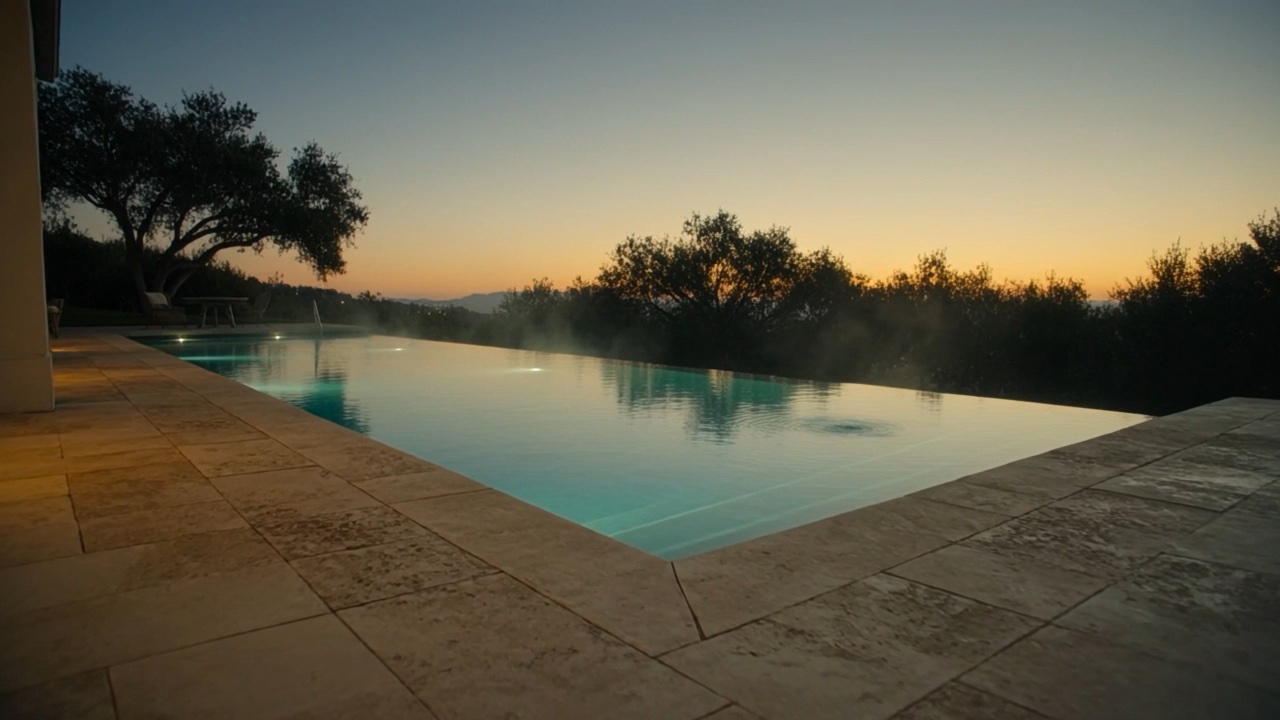
A sound shell rarely needs replacing — it needs a new surface, a current edge and equipment that doesn't fight you. Three to six weeks, not a full season.
Most Austin pools that feel tired are structurally fine. The gunite shell underneath is doing its job; it is the plaster, the tile line, the coping and the 1990s equipment that have aged. Renovation brings all of that current without touching the structure — which is why it costs a fraction of a new build and finishes in weeks.
Resurfacing the interior
The interior finish is the part of a pool you actually touch, and it wears out first. When plaster stains gray, feels like sandpaper, or shows the shell beneath, we chip it out, prep the gunite and apply a new surface:
- Plaster — the return to a clean white marble finish. Best price, roughly an 8–12 year surface.
- Quartz — quartz-aggregate plaster, harder and more stain-resistant, with a fine sparkle and a longer life.
- Pebble — exposed natural pebble, the most durable finish and the deepest water color. Our usual recommendation if you plan to keep the house.
Tile, coping and the waterline
The band of tile at the waterline and the coping capping the edge are what date a pool from across the yard. New waterline tile, new coping in travertine or cut limestone, and — where the deck has heaved on our expansive clay — replacement decking pitched to drain correctly. Small area, large difference.
Equipment modernization
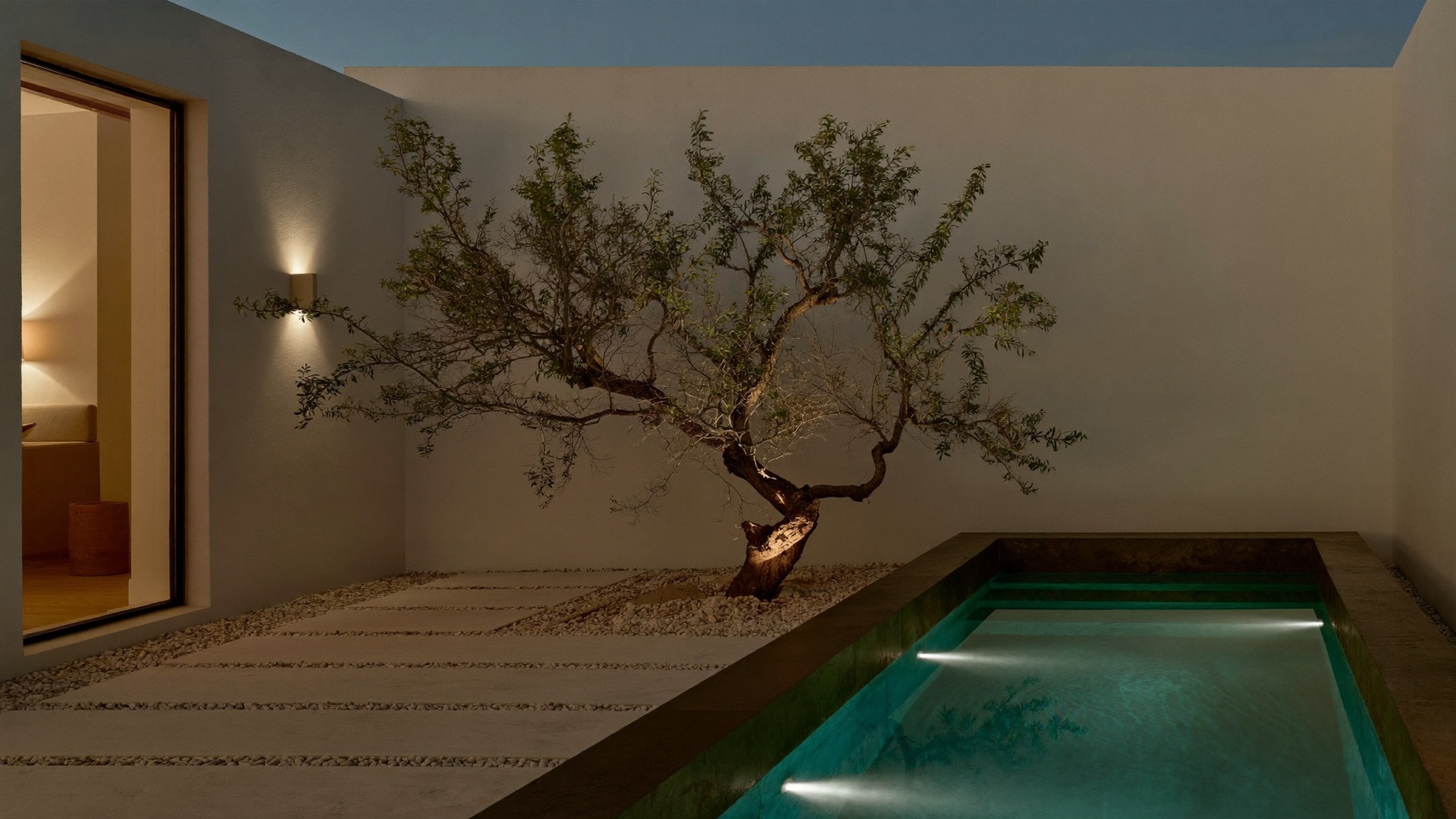
Often the best money you can spend. A variable-speed pump in place of an old single-speed motor, a properly sized cartridge filter, a salt chlorinator, and automation you run from your phone will quietly cut a pool's running cost and end the daily fiddling. We do equipment-only jobs, and we roll modernization into every resurface.
The shell is the pool. Everything that makes it feel old is a surface, an edge, or a motor — and all three we can make new.
Timeline & cost
A resurface alone is two to three weeks; a fuller remodel with tile, coping and equipment runs three to six. Budget from around $8k–$15k for a resurface up to $35k–$70k for a complete remodel. The cost guide breaks down where the money goes.
Questions we get
How often does a pool need resurfacing?
A white plaster interior lasts roughly 8 to 12 years before it stains, roughens or shows the gray shell beneath. Quartz finishes go a little longer, and exposed pebble often reaches 15 to 20 years. When your hand no longer runs smooth along the wall, or acid washing stops bringing the color back, it is time.
How long does a pool renovation take?
A resurface alone is usually two to three weeks. A fuller remodel with new tile, coping and equipment runs three to six weeks. Unlike a new build there is no excavation or structural cure, so most of the schedule is drain time, prep, the finish crew, and refilling and balancing the water.
Can you update equipment without redoing the whole pool?
Yes, and it is often the highest-return change we make. Swapping a single-speed pump for a variable-speed model, adding a modern cartridge filter and app-based automation can cut a pool's energy use sharply and pays for itself in a few Texas cooling seasons. We do equipment-only modernizations as their own project.
What does a pool renovation cost in Austin?
A straightforward resurface starts around $8,000 to $15,000 depending on size and finish. Add waterline tile and new coping and it moves to roughly $18,000 to $35,000. A full remodel — finish, tile, coping, decking and equipment — commonly lands between $35,000 and $70,000.
See what you have